Market Insight

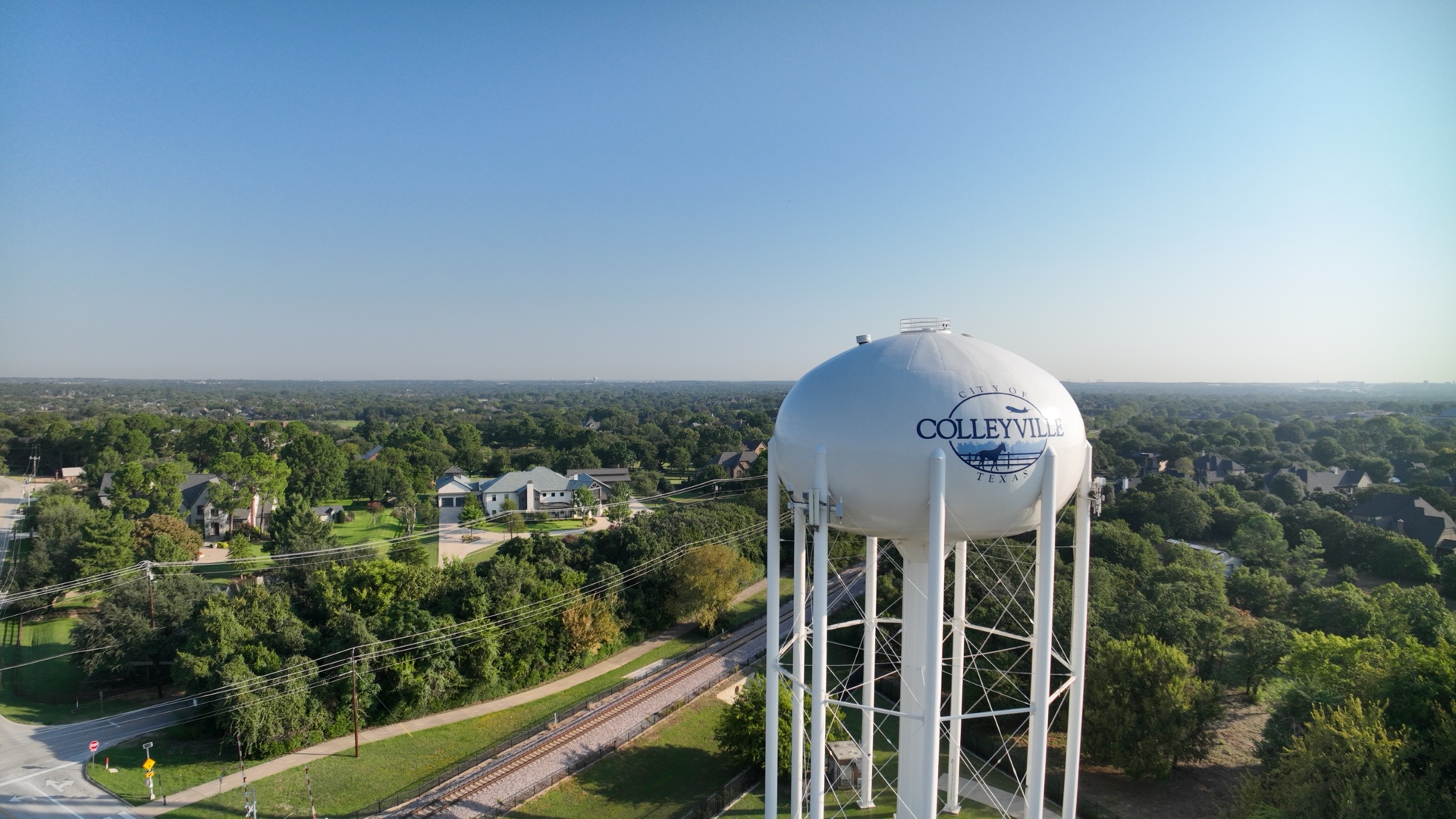
A national forecast can set context. It cannot price a Colleyville homesite, negotiate a Dallas resale, or tell a DFW buyer which builder incentive matters most.
National housing forecasts are useful when they explain the forces around a decision. They become less useful when they are treated as a shortcut for pricing one home, choosing one neighborhood, or timing one move. Zillow’s 2026 outlook is a good example: its December 2025 forecast expected modest national value growth and a stronger sales year, while its July update reflected a more cautious national value outlook and slower projected sales growth.
That is not a contradiction to ignore. It is the point. Forecasts respond to rates, inflation, inventory, demand, and conditions that change over time. In DFW, the right question is not whether a national forecast is “right.” It is what current local data and property-level facts mean for your decision today.
In December, Zillow forecast 1.2% national home-value growth in 2026, 4.26 million existing-home sales, and mortgage rates remaining above 6%. It also expected builders to continue using incentives such as rate buydowns and closing-cost support as they worked through completed or in-progress inventory.
By July, Zillow’s published annual outlook had changed. It projected a 0.2% national decline in typical home values by December, while still expecting positive sales growth: 1.2% on Zillow’s sales-count measure and 1.9% on the NAR measure. Zillow specifically pointed to regional variation in inventory and demand. That is why neither forecast should be treated as a Dallas–Fort Worth price prediction.
The most recent North Texas Real Estate Information System summary available at publication, prepared by the Texas Real Estate Research Center, reported 31,072 active single-family listings across the DFW metropolitan area in August 2026. The same report showed 7,329 August single-family sales, a $390,000 median sale price, 58 days on market, and a 94.8% sold-to-list-price ratio.
Those metro-wide figures are context, not an offer formula. A premium Colleyville home, a builder inventory home in a growing suburb, a Dallas condominium, and a rural acreage listing can react very differently to the same rates and headlines. Condition, location, lot, school research, taxes, insurance, builder incentives, and competing inventory can matter more than one national percentage.
Zillow’s December outlook highlighted a theme that remains practical even after the forecast was revised: buyers should compare affordability as a whole. That includes the payment, rate structure, closing costs, taxes, insurance, HOA dues, maintenance expectations, and utility profile—not simply the advertised price.
For new construction, ask what the builder is offering and what the offer actually changes. A rate buydown, closing-cost contribution, design allowance, or inventory-home price adjustment can affect the economics differently. Compare the proposal against resale alternatives and against other builder options before deciding which incentive has the most value for your household.
A slower or more balanced market can still reward a well-prepared listing. It also makes the gap between a launch price and the current competition more visible. Before listing, review recent relevant sales, active competition, days on market, condition, buyer feedback, and how builder concessions may be shaping expectations in the same price range.
The goal is not to chase a market headline. It is to choose a defensible strategy, present the home well, and adjust deliberately if the response does not match the plan.
Zillow’s updates also point to continued rental supply and changing renter preferences. That does not create one answer for every renter. The better discussion is about your expected timeline, total housing costs, flexibility needs, savings, maintenance tolerance, and the homes available in the locations that fit your life. If a lease end is approaching, start the comparison early enough to evaluate both paths without forcing a rushed decision.
No. The cited Zillow outlooks are national forecasts. DFW conditions should be evaluated with current local reporting and property-specific research.
No. Inventory is one input. The appropriate strategy depends on the property, its condition, current competition, seller priorities, financing, and contract terms.
No. Incentives can be valuable, but buyers should compare the complete cost and contract terms with comparable resale and new-construction options.
Zillow for Agents — 7 Tips Based on Zillow’s 2026 Housing Market Predictions (December 2025)
Zillow Research — What Should You Expect for Housing in the Rest of 2026? (July 2026 Forecast)
North Texas Real Estate Information System — August 2026 Monthly MLS Summary Report
Texas Real Estate Research Center — DFW Housing Activity: Data Series Description

Principal, The Bankston Group at The Agency Dallas
Katie helps buyers, sellers, builders and developers across Dallas–Fort Worth, with a focus on new construction, custom homes and land.