Development Watch
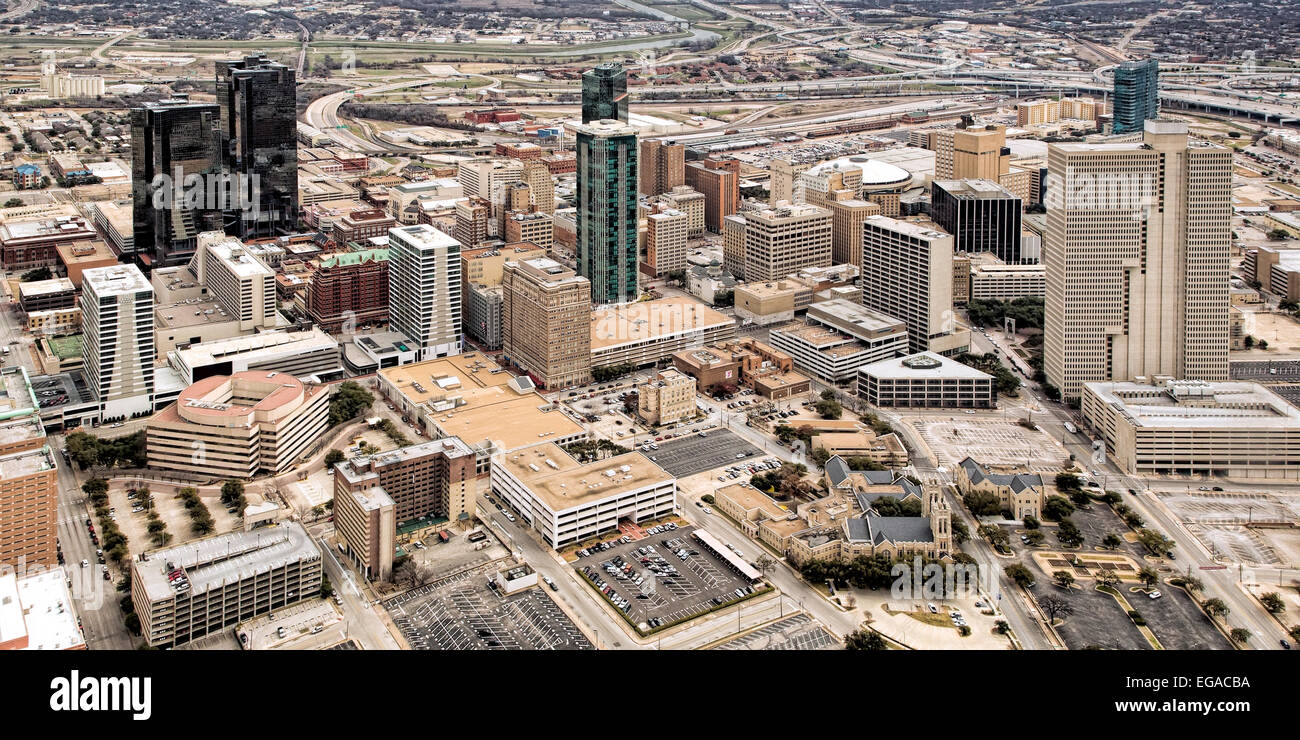
After decades of planning, the Army Corps of Engineers broke ground in February 2026. The $1.7 billion project will reshape the Trinity River corridor and the neighborhoods around it.
In February 2026, the U.S. Army Corps of Engineers broke ground on the northern section of the Trinity River Vision bypass channel — the engineering backbone of what will become Panther Island. For a project that has been in planning for more than two decades, the moment was significant. Dirt is finally moving. And for Fort Worth real estate, the implications are substantial.
Panther Island is not a single development. It is a $1.7 billion infrastructure and urban development project that will physically create an island just north of downtown Fort Worth by diverting the Trinity River through a new bypass channel. When the bypass is complete and the existing levees are removed, approximately 800 acres of land will be unlocked for development — including 54 acres of newly created waterfront property that does not currently exist.
The Tarrant Regional Water District, which oversees the project, has described Panther Island as one of the largest urban waterfront developments in the country. The first phase of redevelopment will include mixed-use commercial and residential uses, public parks, and a riverwalk that Fort Worth boosters have compared to San Antonio's iconic River Walk — though on a larger scale and with a more contemporary design vocabulary.
In February 2026, the project also received a new taxing district to fund ongoing operations and maintenance, a structural milestone that signals the project has moved from aspiration to execution. The district will provide a dedicated funding mechanism for the improvements and services that will make Panther Island function as a true urban neighborhood rather than a development parcel.
The neighborhoods immediately adjacent to the project area — Near Southside, the Cultural District, and the blocks north of downtown — are already experiencing increased interest from investors and developers who understand that proximity to a major amenity project drives property values. The pattern is well-established: Harold Simmons Park in Dallas is projected to generate over $7 billion in economic impact, and the neighborhoods within walking distance have seen measurable appreciation in advance of the park's completion.
For Fort Worth, Panther Island represents a similar dynamic. The construction timeline extends over multiple years, which means the window to acquire property in the surrounding area before the project's full impact is priced in remains open — but it is narrowing. Developers who moved early on the Cultural District and Near Southside corridors have already seen significant appreciation. The next wave of opportunity is likely in the blocks that will have direct views of or access to the new waterfront.
The Panther Island project will create demand for a range of product types: urban multifamily, mixed-use retail and office, hospitality, and luxury residential with waterfront access. Builders and developers who are positioning land today — before the bypass channel is complete and the waterfront lots are formally platted — are making a calculated bet on one of the most significant urban development opportunities in North Texas history.
The Bankston Group works with builders and developers across the DFW metroplex, including in the Fort Worth market. If you are evaluating land or development opportunities in proximity to the Panther Island project, we can provide market context, comparable analysis, and introductions to the right partners. Reach out to start the conversation.
Katie Bankston
Team Principal · The Bankston Group
Katie Bankston leads The Bankston Group at The Agency Dallas, specializing in land acquisition, new construction, and luxury residential across the DFW Mid-Cities corridor. She works closely with builders and developers to source off-market opportunities and represent their interests in the market.